

Your company has hit a plateau. The strategies that drove initial growth aren't delivering anymore, and your sales team keeps hearing "I didn't know you did that" from prospects who should already understand your value. Meanwhile, your competitors dominate industry conversations, appearing in publications, speaking at conferences, and leading discussions on LinkedIn.
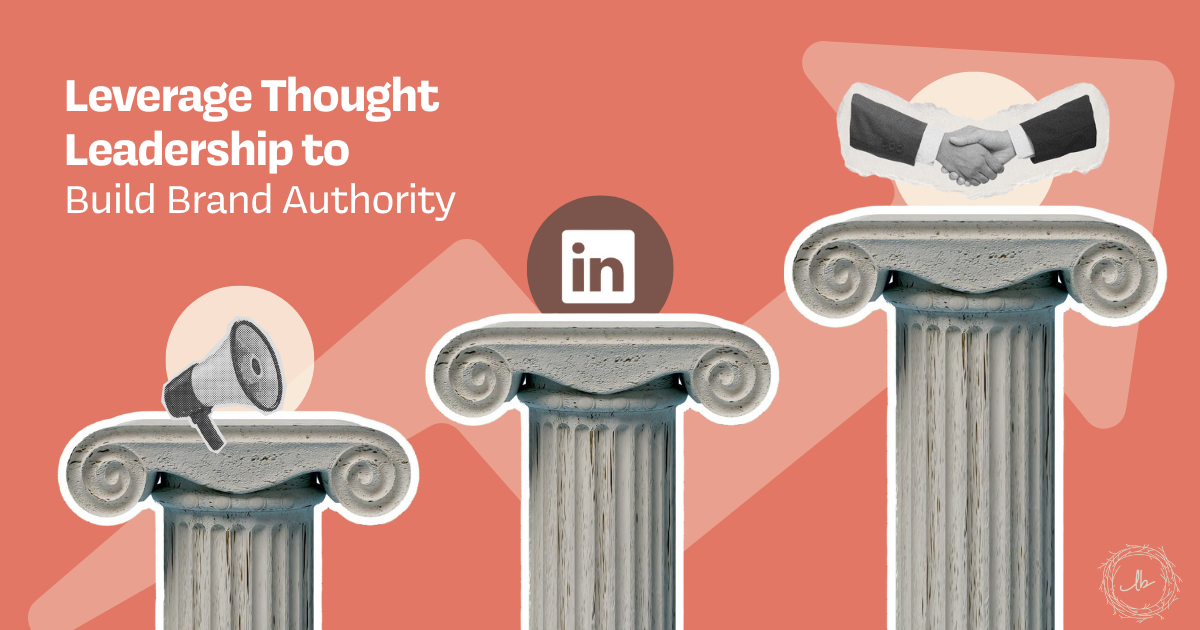
The gap isn't in your capabilities. Your team delivers exceptional work, but your brand struggles to break through the noise. You already know thought leadership matters. The real question is whether you can actually make it work. A comprehensive B2B thought leadership strategy requires three pillars working together: systematic content creation, social influence, and industry connections. This integrated approach to brand building becomes the difference between continued stagnation and breakthrough growth.
Building a Sustainable Thought Leadership Strategy
Most thought leadership efforts fail for one reason. They have no system. Companies launch initiatives with enthusiasm, publish a few articles, then watch momentum fade as other priorities take over. The content sits idle, the team moves on, and six months later someone suggests "we should really be doing more thought leadership." This cycle repeats because there's no foundation supporting consistent execution across all the channels that matter.
Effective thought leadership requires three interconnected pillars. The first is systematic content creation that captures the expertise your team already generates in client conversations, proposals, and problem-solving sessions. Our SOAR™ System addresses this challenge, helping organizations create sustainable lead generation within 90 days through Strategic, Organized, Accountable, and Repeatable processes.
The second pillar is genuine social influence, particularly on LinkedIn where your prospects spend time in a professional mindset. The third involves strategic industry connections through speaking engagements, collaborations, and community involvement that extend your reach beyond your owned channels. A proper thought leadership strategy orchestrates all three pillars rather than treating them as separate initiatives.
Social Influence: Leading Conversations on LinkedIn
LinkedIn remains the most powerful platform for B2B thought leadership, but success requires more than posting content. Building real social influence means consistently engaging in conversations, contributing insights to industry discussions, and establishing yourself as someone worth paying attention to. Your prospects don't just want to read your articles. They want to see you actively participating in the dialogue that shapes your industry.
This is b2b inbound marketing at its most effective. The executives and decision-makers in your target market are already on LinkedIn, already reading posts, already thinking about the challenges you solve. When you show up consistently with valuable perspectives, respond thoughtfully to others' content, and facilitate meaningful conversations, you create pull instead of push.
Each interaction strengthens your brand authority. Each comment that demonstrates expertise positions you as the trusted resource prospects turn to when stakes are high. The compound effect of this sustained presence transforms how your market perceives your organization.
Industry Connections: Visibility Beyond Your Channels
Strategic industry connections amplify your thought leadership to entirely new audiences who need to discover your expertise. Speaking engagements at conferences and industry events position you as an authority while introducing your insights to rooms full of potential clients. These platforms provide credibility that owned content simply cannot match.
Collaboration multiplies your impact. Partner content with complementary organizations, guest appearances on industry podcasts, and co-authored research projects leverage other people's audiences while demonstrating your willingness to engage beyond your own promotional channels. Active participation in professional associations, roundtables, and industry forums keeps you connected to emerging trends while building relationships with peers who become referral sources. This commitment to community engagement signals that you're invested in your industry's success, not just your own revenue. These connections create a network effect where your reputation strengthens through association with other respected voices in your space.
How Thought Leadership Generates Qualified Leads
Thought leadership doesn't just build your brand. It fills your pipeline. Buyers consume an average of 11.4 pieces of content before making purchase decisions. Companies that execute across all three pillars (content, social influence, and industry connections) earn multiple touchpoints in that consideration set. Your systematic content educates prospects about their challenges and your approach. Your social influence builds relationship and trust. Your industry connections establish third-party credibility. Together, these elements create an environment where qualified leads seek you out.
This integration transforms your lead generation strategies from transactional to relational. Your marketing becomes the pillar that brings in prospects who already respect your expertise, understand your methodology, and arrive curious whether your solution fits their specific situation. The conversations your sales team has with these prospects start from a position of credibility rather than having to establish it from scratch. This is pipeline generation that actually converts because you've invested in building authority before asking for the business.
Building Long-Term Brand Authority
The commitment required separates companies that plateau from those that continue scaling. Building brand authority through thought leadership isn't a quarterly initiative. It demands ongoing investment across content creation, social engagement, and industry participation. Your organization already possesses the knowledge and experience, but success requires building the systems and dedicating the presence to make that expertise work as a competitive advantage.
Measure what actually matters. Track engagement from target accounts on your LinkedIn posts. Monitor speaking invitations and partnership opportunities that emerge from your visibility. Pay attention to inbound inquiries that specifically reference your thought leadership, and watch for prospects who mention your content during sales conversations.
The executives who win in their markets aren't necessarily the ones with the largest teams or biggest budgets. They're the ones whose expertise is most visible when prospects are ready to make decisions. They're the brands that come to mind first when someone in their network asks for a recommendation. Your path to that position requires commitment to all three pillars working together over time.
Want to turn your expertise into consistent pipeline growth? Take our thought leadership assessment quiz to discover what it takes to build real brand authority.



Let Us Know What You Thought about this Post.
Put your Comment Below.